SPECIES CARE GUIDE
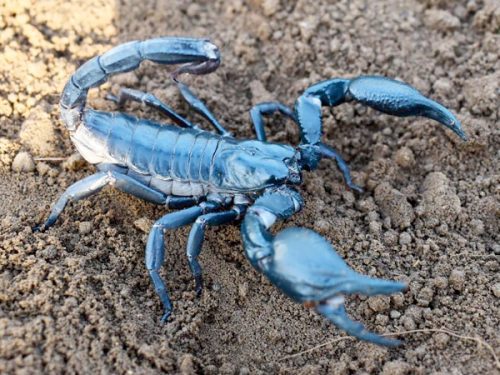
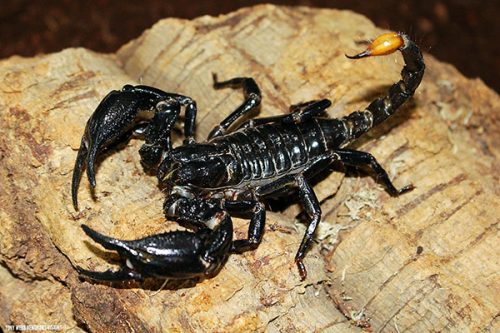
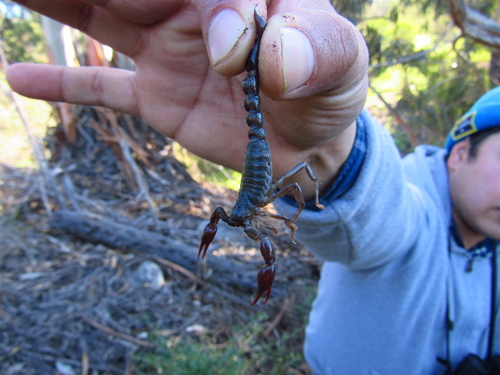
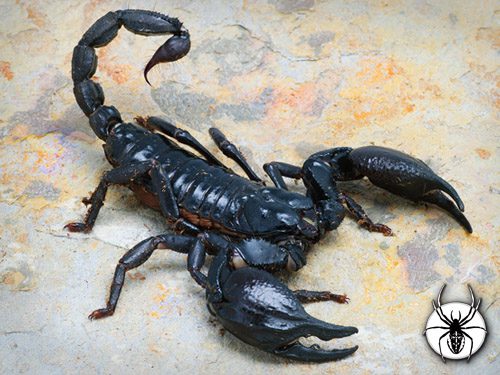
Asian Forest Scorpion
Heterometrus silenus
ENVIRONMENT
Core care conditions
Use these ranges as a starting point and adjust for life stage, enclosure ventilation and observed behaviour.
HUSBANDRY OVERVIEW
At a glance
- Taxonomic group
- Arachnida
- Origin
- Southeast Asia (e.g. Malaysia, Thailand, Vietnam)
- Lifestyle
- Fossorial
- Adult size (body / total length)
- 10–15 cm
- Temperament
- Generally calm
- Experience level
- Beginner
- Visibility
- Nocturnal
- Burrowing
- Heavy burrower
- Growth rate
- Moderate
- Venom
- Mild
- Male lifespan
- 3–5 years
- Female lifespan
- 7–8 years
CARE NOTES
Keeping considerations
Provide a secure enclosure with tight-fitting lids, as these scorpions are surprisingly good at finding small gaps. Keep the substrate deep (at least 10 to 15 cm) to satisfy their natural burrowing instincts and help maintain high ambient humidity. Avoid stagnant air by ensuring adequate cross-ventilation, and always supply a shallow, stable water dish. Use feeding tongs to prevent accidental defensive strikes during meal times.
PRACTICAL HUSBANDRY
Day-to-day care
Diet & prey
Crickets, roaches (such as Dubia or red runners), locusts, and mealworms
Feeding
Once a week for adults; feed appropriately sized live prey in the evening when they are active.
Enclosure
30 x 30 x 30 cm (12 x 12 x 12 inches) glass terrarium or tub for a single adult; secure and escape-proof.
Substrate
10–15 cm (4–6 inches) of moisture-retaining organic topsoil, coconut coir, or jungle mix.
Ventilation
Moderate cross-ventilation to maintain high humidity while preventing stagnant air and mold growth.
Hydration & misting
Provide a shallow water dish filled with fresh water and lightly mist one side of the substrate 2–3 times a week.
Handling
Observation recommended; handling is discouraged as they are easily stressed and can pinch defensively with powerful pedipalps. Sex differences: Males tend
Sex differences
Males feature a distinct tooth-like bump on the movable finger of their pincers (used for gripping during courtship) and longer, more prominent comb-like pectines underneath. Females lack the pincer bump and have shorter pectines with fewer teeth.
IMPORTANT CONSIDERATIONS
Keeper notes
Possess a painful sting and powerful claws; use tongs for feeding and maintenance.
BREEDING & LIFE CYCLE
Breeding notes
Heterometrus silenus is a relatively communal-tolerant species when young, but adults should be housed individually outside of intentional breeding to prevent cannibalism. Courtship involves a complex "promenade" where the male grasps the female's pincers. Gestation is long (several months), and females give birth to live young (scorpiplings) rather than laying eggs. The mother will carry the first-instar young on her back until their first molt, after which they disperse.
CARE VIDEOS
Watch and learn
KEEP EXPLORING
More Heterometrus
Other completed care guides from the same scientific genus.