SPECIES CARE GUIDE
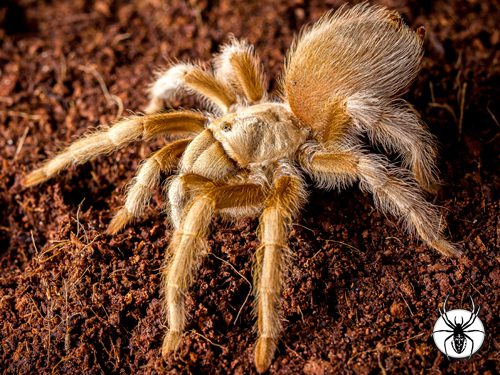
Arizona Blonde
Aphonopelma chalcodes
ENVIRONMENT
Core care conditions
Use these ranges as a starting point and adjust for life stage, enclosure ventilation and observed behaviour.
HUSBANDRY OVERVIEW
At a glance
- Taxonomic group
- Arachnida
- Origin
- USA
- Lifestyle
- Terrestrial
- Adult size (diagonal leg span)
- 17 cm
- Temperament
- Calm
- Experience level
- Beginner
- Visibility
- Often visible once settled
- Burrowing
- May use hides or shallow burrows; keep mostly dry with a water dish
- Growth rate
- Slow
- Urticating hairs
- Yes
- Venom
- Mild
- Tarantula region
- New World
- Male lifespan
- 5–10 years
- Female lifespan
- 20–30+
CARE NOTES
Keeping considerations
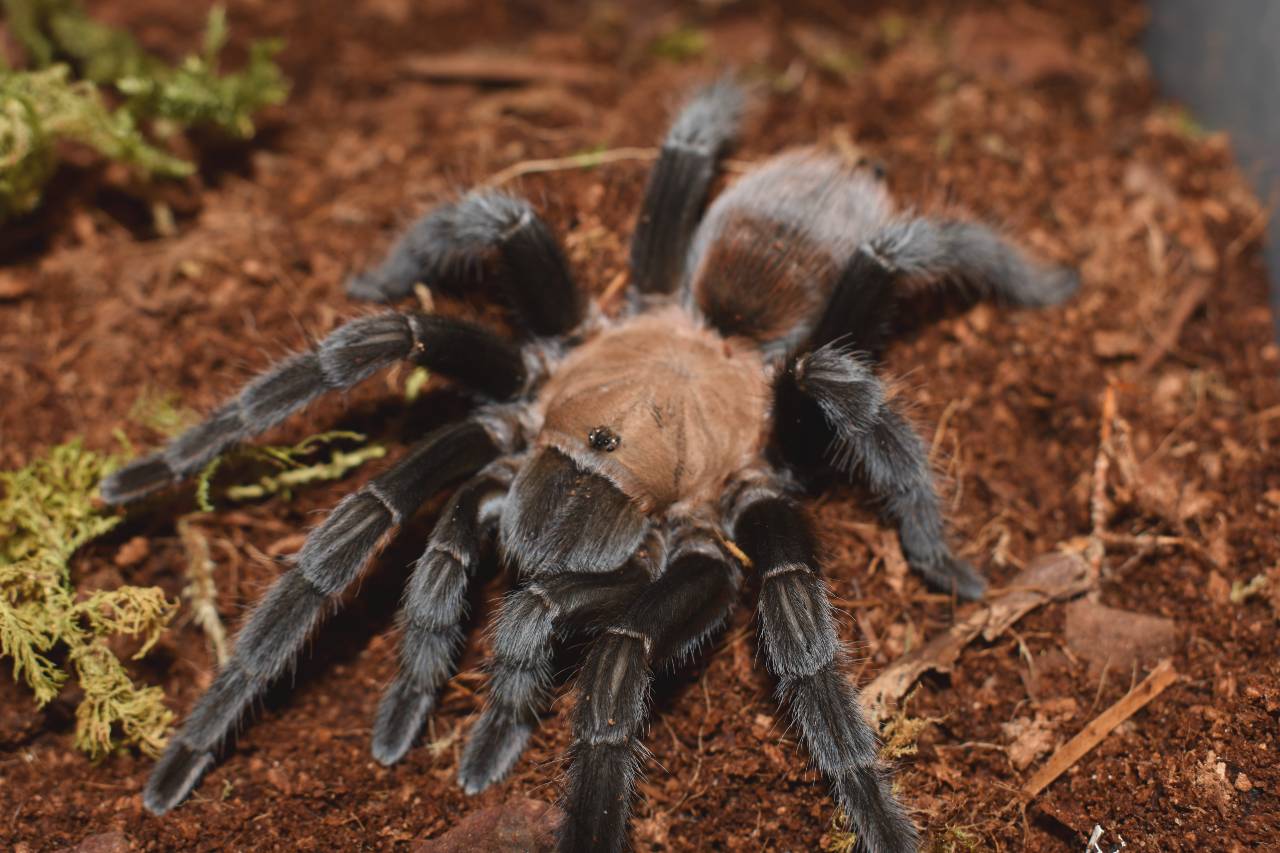
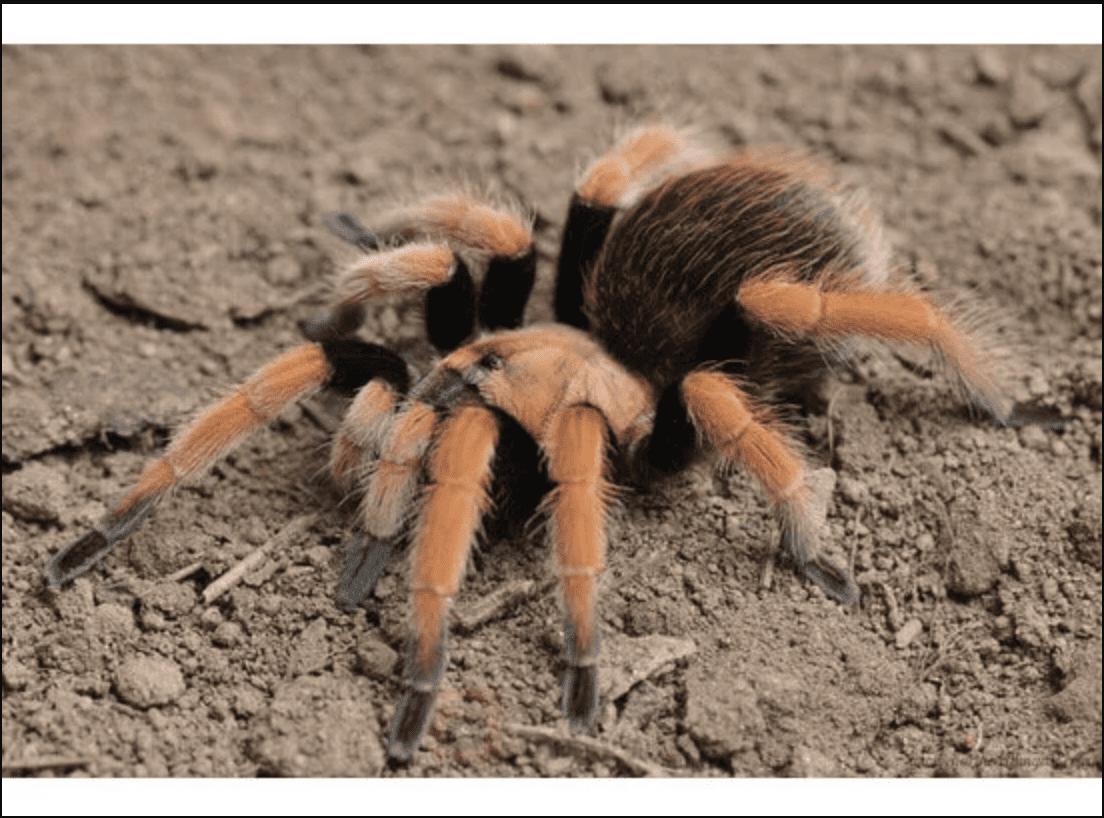
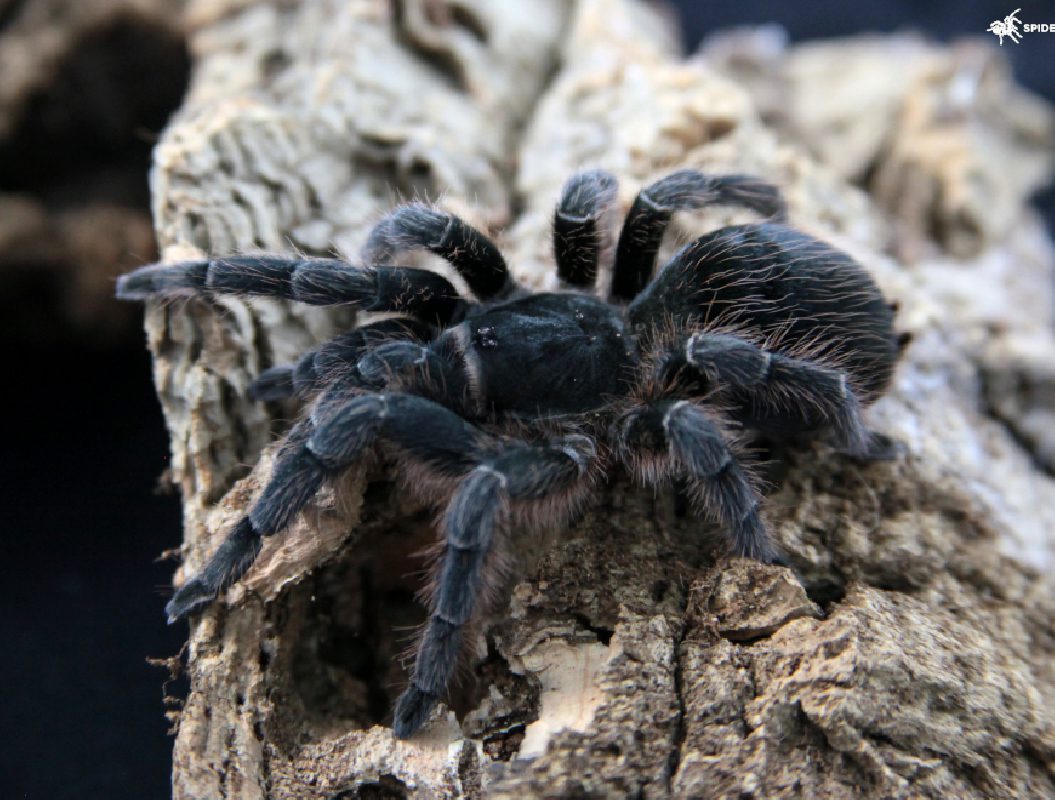
A large, slow-growing North American terrestrial species. The Spider Shop describes it as a good novice species and a popular alternative to the Chile Rose. Keep in a dry terrestrial setup with a hide, water dish, and good ventilation.
PRACTICAL HUSBANDRY
Day-to-day care
Diet & prey
Crickets, large roaches (such as Dubia or Madagascar hissers), locusts, and mealworms or superworms
Feeding
Once a week for juveniles and growing sub-adults; adults typically only need to be fed once every 2–4 weeks. Offer appropriately sized live prey.
Enclosure
Terrestrial terrarium with greater width and length than height, minimum 30 x 30 x 30 cm (or a standard 10–20 gallon tank) for an adult.
Substrate
10–15 cm (4–6 inches) of dry, loose, burrow-friendly substrate like a mix of topsoil, peat-free compost, and coconut coir.
Ventilation
Good cross-ventilation to prevent stale, overly humid air, as this arid species prefers dry conditions.
Hydration & misting
Keep the substrate bone dry overall, but provide a shallow water dish with fresh water at all times; overflow or slightly dampen a corner of the substrate very occasionally if needed.
Handling
Generally very calm, docile, and slow-moving, making them one of the most tolerant tarantulas for occasional, gentle handling—though care should still be taken to avoid accidental falls.
Sex differences
Mature males develop tibial hooks on their front legs and bulbous palps (emboli) at maturity, and are generally smaller/slender. Females lack hooks, have a heavier, bulkier abdomen, and live significantly longer.
IMPORTANT CONSIDERATIONS
Keeper notes
Possess urticating hairs (which they can kick off when disturbed) and mild venom; keep handling minimal if sensitive to the hairs.
BREEDING & LIFE CYCLE
Breeding notes
Kept individually outside of breeding. Females construct an ootheca after a successful mating and warm cycle; spiderlings take time to develop.
CARE VIDEOS
Watch and learn
SOURCES & FURTHER READING
Check the references
Care can vary by species, life stage and local conditions. Review multiple reputable sources before making husbandry decisions.
KEEP EXPLORING
More Aphonopelma
Other completed care guides from the same scientific genus.